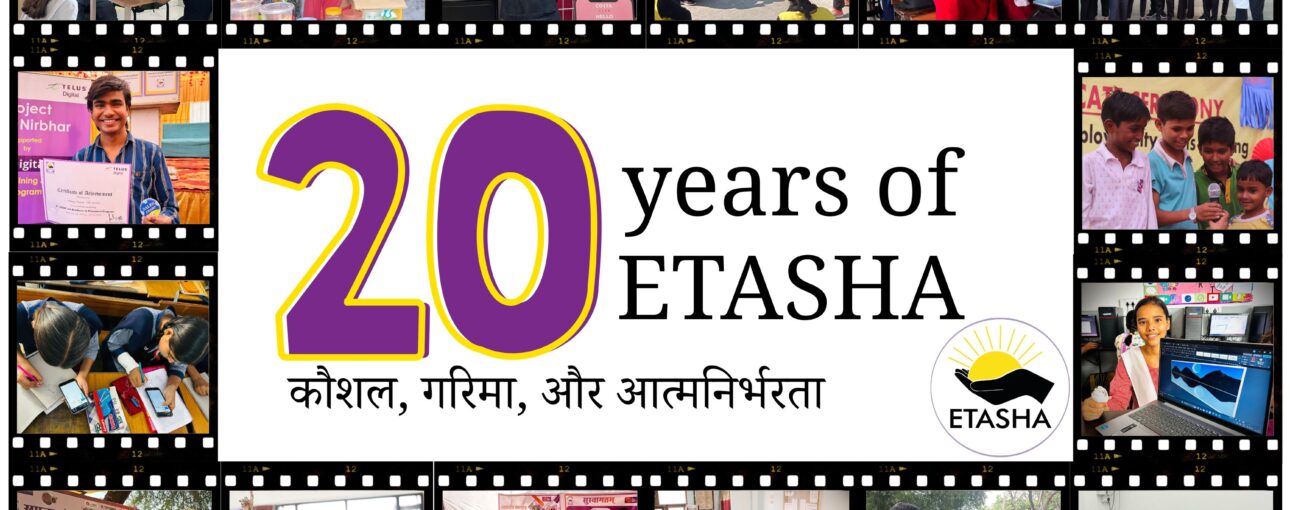
Twenty years ago, ETASHA began with a question that refused to go away.
Should life be only about earning a living, or should it also be about building a life worth living?
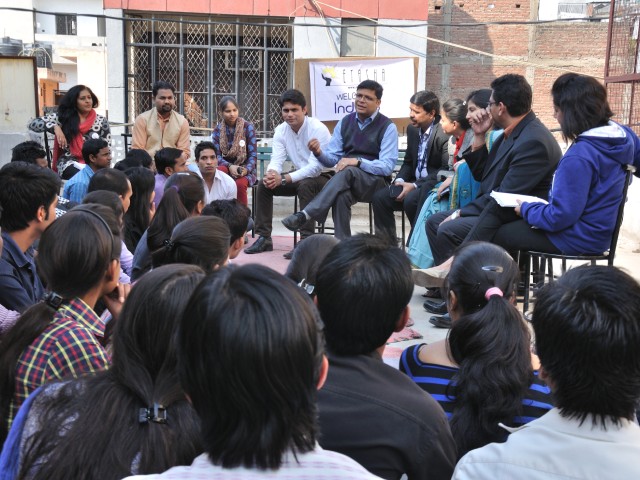
This question took shape in the early two thousands, in a low income neighbourhood in South Delhi. A career guidance workshop had just ended. The young participants were attentive, curious and ambitious. They asked questions about work, about futures, about what came next after school. And yet, there were no real answers to offer them. The pathways available to middle class youth simply did not exist for them.
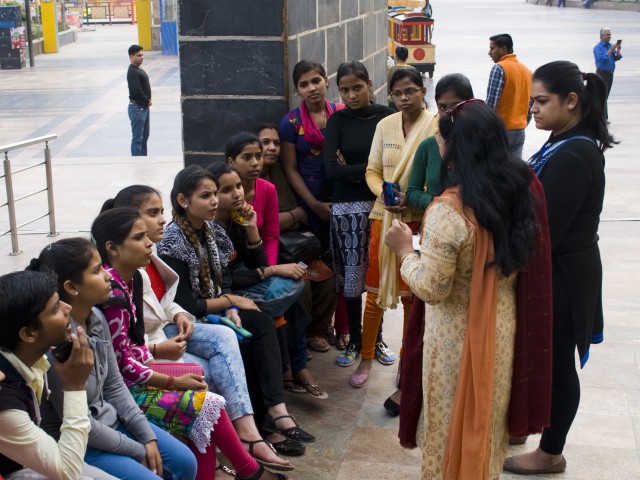
Walking through the community afterwards, the reality became even starker. It was the middle of a working week. Young men stood idle. Others played cards in the park. They wanted employment, but they were not employable.
That moment of discomfort stayed. It lingered for days and weeks. As the Founder President of ETASHA, Dr Meenakshi Nayar, has often reflected, it was a disturbance that followed her everywhere, waking and sleeping. She knew something was deeply misaligned, and she also knew that wishing for change was not enough.
From that disturbance came a decision. If the problem was employability, then the solution had to be preparation. If opportunity was inaccessible, then bridges had to be built.
And so, ETASHA was born.
A Name and A Purpose
ETASHA is a Sanskrit word that means shining. It is also an acronym for Enabling and Training Adolescents for Successful and Healthy Adulthood. The name reflected both hope and intent.
From the very beginning, the focus was clear. ETASHA would not be about charity. It would be about capability. It would not be about handouts, but about helping young people recognise their own potential and claim their place in the world of work with confidence and dignity.
There was no blueprint to follow. Bridging the gap between school education and formal employment for youth from low income communities was largely unexplored territory. Drawing from years of experience in human resources and training, the early curriculum focused not just on skills, but on transition. Transition from school to work. From dependence to agency. From uncertainty to direction.
Learning from the Ground Up
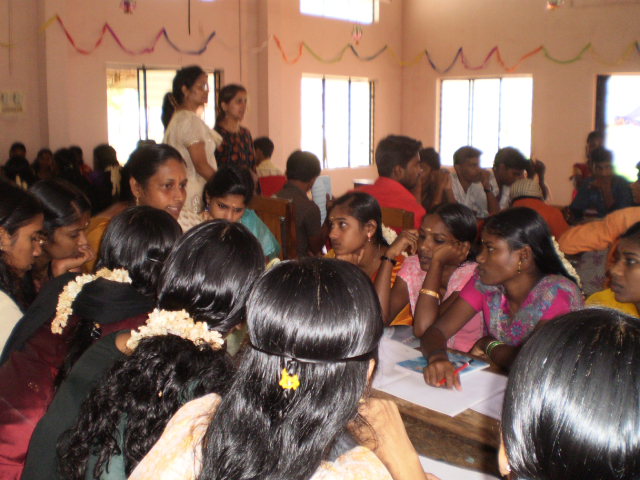
In the early years, training happened close to the ground. Time was spent in communities, listening, observing and learning. Programmes evolved through practice, not theory. Content was reshaped repeatedly to reflect the lived realities of the young people in the room.
One early interaction remains deeply telling. “A young woman, eager to earn and support her family, entered the classroom with determination. But when asked to introduce herself, she froze. Words would not come. Tears followed. It became clear that before employability, something more fundamental was missing. Self confidence.”
That insight shaped ETASHA’s philosophy in lasting ways. Skills matter, but dignity comes first. Unless a person feels respected and worthy, very little productive learning can take root. ETASHA’s work has since centred on building self belief alongside skill, ensuring that young people see themselves as capable, equal and deserving.
Growing with the Community
As trust grew, so did demand. ETASHA chose to stay in communities, not move from project to project. Over time, parents saw change. Employment led to income. Income led to stability. Stability led to aspiration.
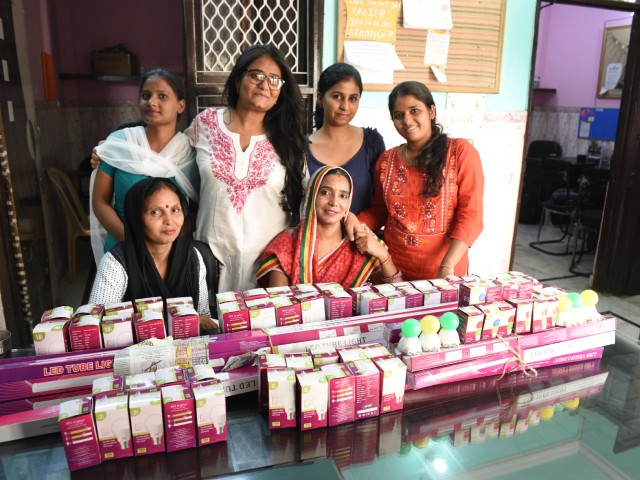
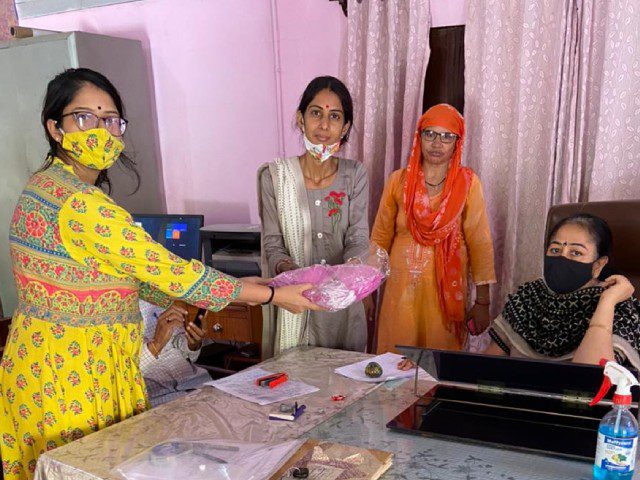
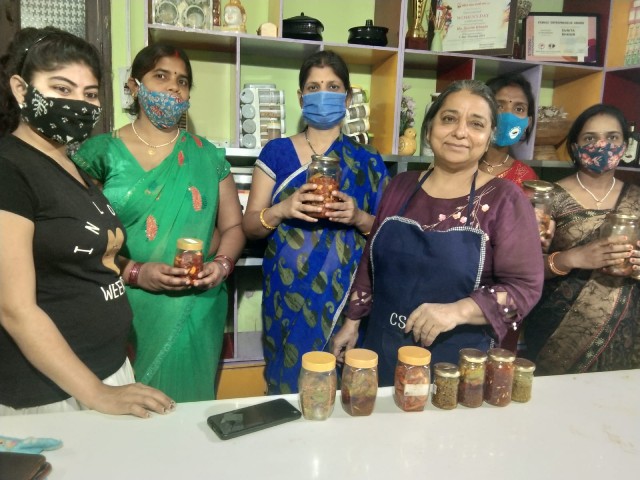
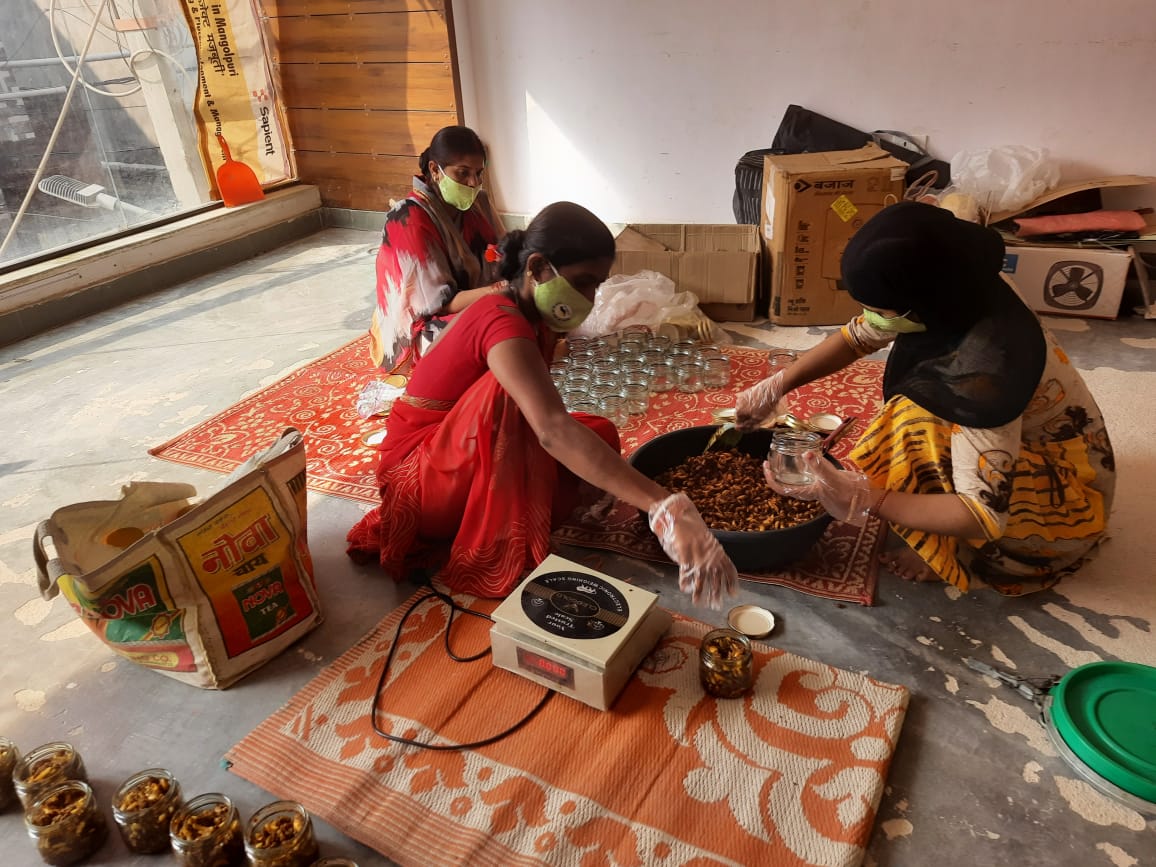
Soon, women from the community began to approach the organisation, asking for opportunities of their own. Many were older, some semi literate, others balancing work and family responsibilities. This led to the development of entrepreneurship programmes for women, opening pathways to income generation rooted in dignity and choice.
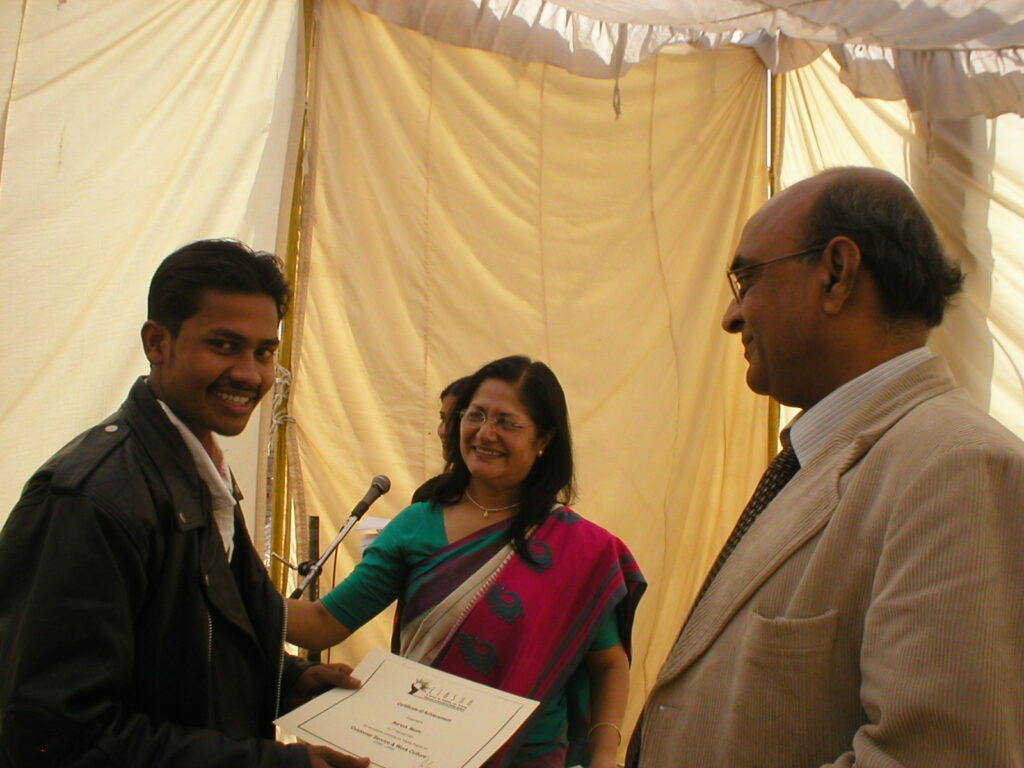
2004
Operations commenced with Project Ummeed, supported by Aparna Society at their Centre in Molarband. ETASHA implemented a 3-month-long program called "Customer Service and Work Culture" (CSWC) with a focus on placing individuals in the retail sector.
2006
ETASHA formally registered as a Society under the Society Registration Act.
First Career Development Centre (CDC) set up in Madanpur Khadar.
2008
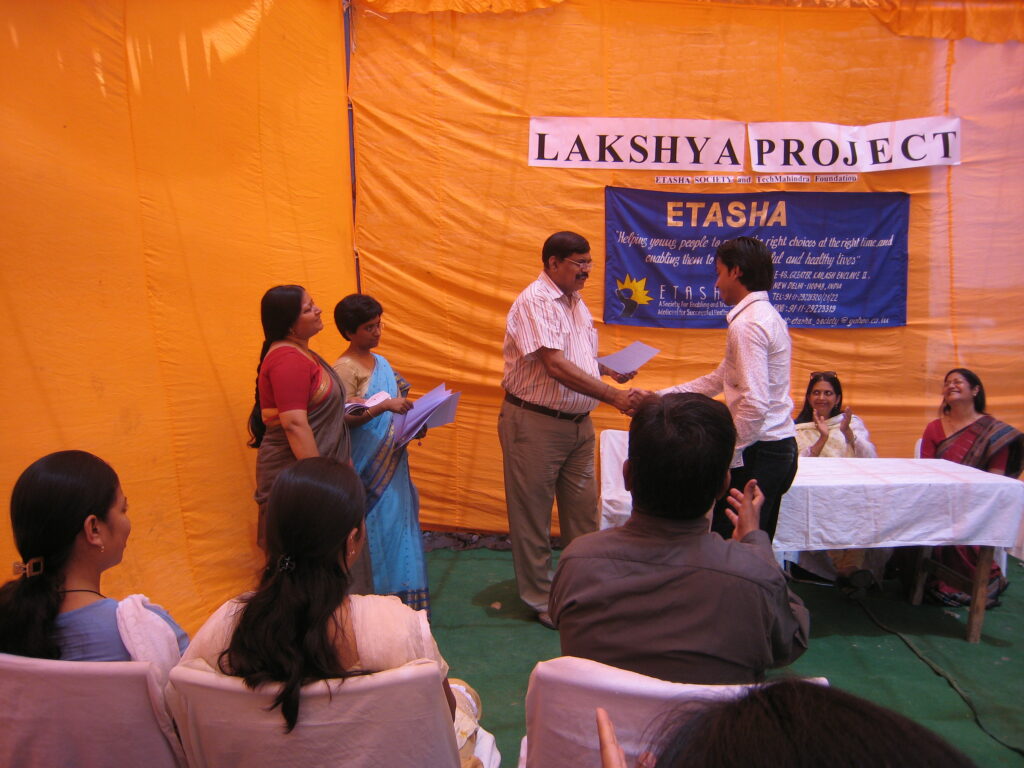
Project Lakshya, a 2-year project supported by Tech Mahindra Foundation, implemented in Madanpur Khadar and NOIDA.
2009
Collaborated with EduServe Consultants to reorient Career Guidance material for underserved communities, adding careers with short education and training periods. ETASHA also translated the content and process to address Hindi speaking individuals.
2010
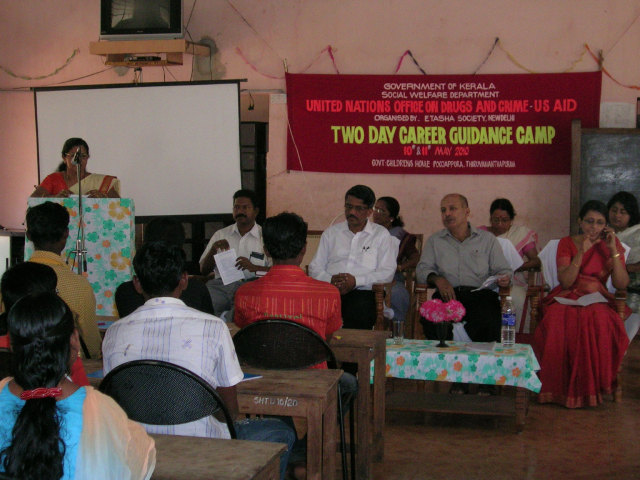
Implemented Project Aakar sponsored by the UNODC to provide career guidance in specialized institutions in Tamil Nadu, Kerala, and Andhra Pradesh.
Second Career Development Centre started in Tigri, South Delhi.
Project Vayu, an intervention in Government-run Industrial Training Institutes, completed in ITI, Gurgaon.
2011
The UN ‘International Year of Youth’ was truly a fitting year in which many organizations including Barclays Shared Services, Tata Capital, Nippon Paint, Accenture, All People Be Happy, and Asha for Education sponsored job-linked training programs for youth.
Rinox Kaufmann supported the design and development of a new website, expanding ETASHA's reach.
2012
ETASHA won an award for best use of ICT by an NGO working in Sustainable Development in South East Asia.
2014
Received an unexpected award of Rs. 25 Lakhs from Mr. Kumar Mangalam and Mrs. Neerja Birla in celebration of their 25th Wedding Anniversary to support Skill Development for Employment program.
2015
Efforts to promote girls' enrollment in job-linked training and employment yielded exceptional results, with the percentage of girls enrolling increasing from an average of around 29% over the past five years to an impressive 58%.
2016
Introduced the Ecosystem Approach in project implementation.
Introduced programs for adolescents.
Dr. Meenakshi Nayar recognized among the top 12 women transforming India by Niti Aayog.
2017
Project Protsahan started in Janauli based on the ecosystem approach that recognizes the need for a change of mindset regarding work, career, and life for sustainable youth employment, involving parents, family, teachers, and community elders.
Women Entrepreneurship Program launched in Mangolpuri with support from Sapient.
2018
ETASHA awarded the 'Most Promising Program for Women Entrepreneurship' by CAUSEBECAUSE.
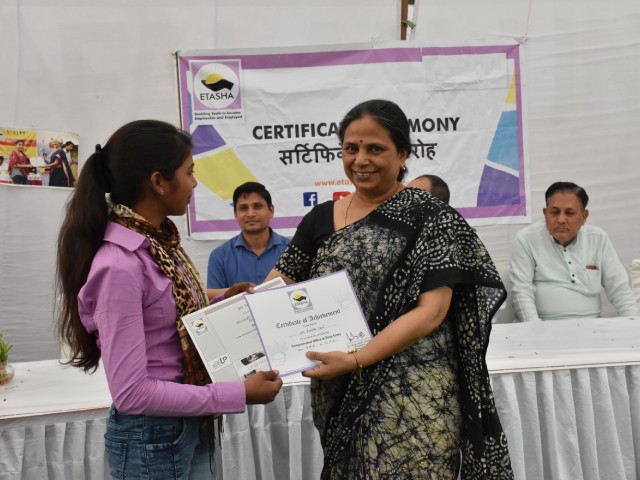
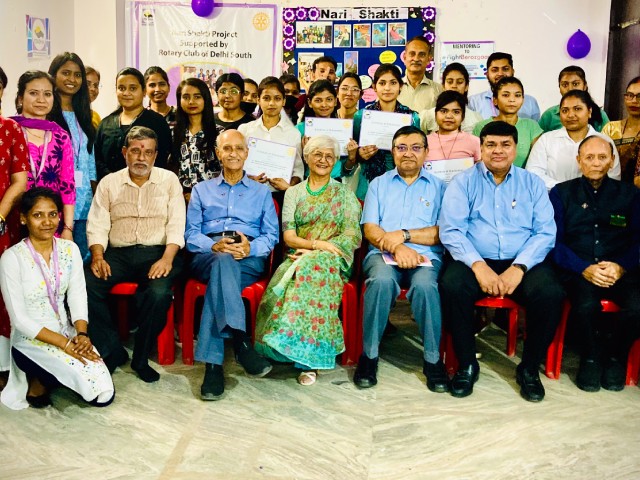
Focused on deepening community engagement through a wide range of programs, including Career Melas, Skill Competitions, Certificate Ceremonies, Awareness Rallies, and Family Days. These initiatives were conducted in each of the three urban and one rural communities where they operated.
2019
Project Spreading Wings, a 3-year project supported by the BT Group, launched in November. The Project was located in the peri-urban community of Pataudi and its neighbouring villages extending to cover Hailey Mandi, Farrukhnagar and around 120 villages.
2020
Amidst the impact of COVID-19 starting in March 2020, ETASHA’s focus shifted to relief and rehabilitation efforts. Assisted over 200 families in earning a livelihood through mask-making activities, supported by IDFC First Bank. These masks were distributed to people within the community.
2021
Received generous support from individuals to help rebuild after COVID-19.
2022
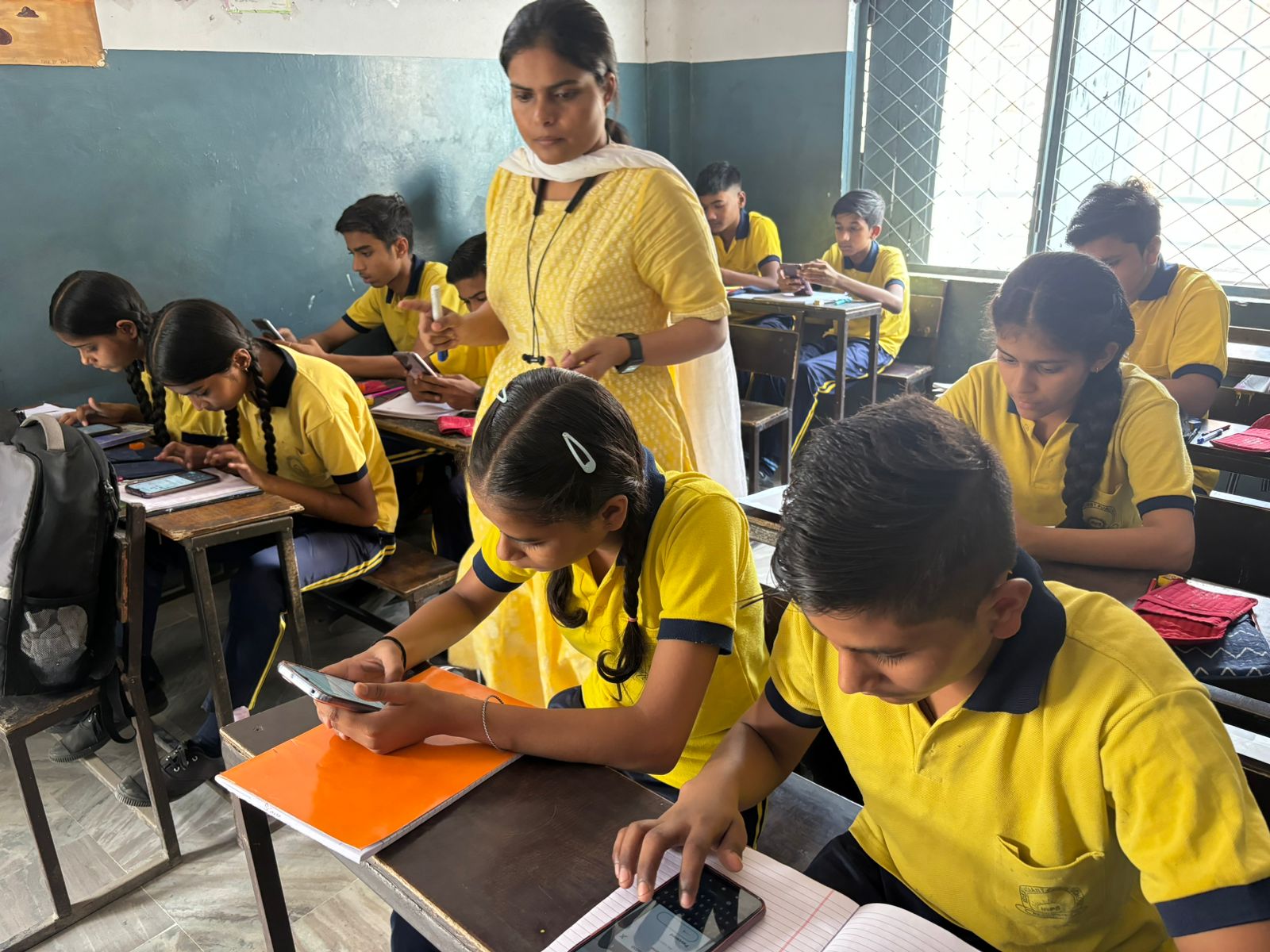
Adapted to the changed world by rewriting SOPs, redesigning programs, and developing the CH App. The app provides low-cost, individualized access to systematic, bias-free career guidance for high school students in a digitized process.
ETASHA awarded the 'Outstanding contribution to social consciousness' award by CSR world day.
2023
Start of a new composite model for training young women in skilled stitching jobs for placement in factories as well as development as entrepreneurs.
A new fund was established with Individual donors coming forward to support empowerment of women though setting up of self-owned and self-managed projects.
2024
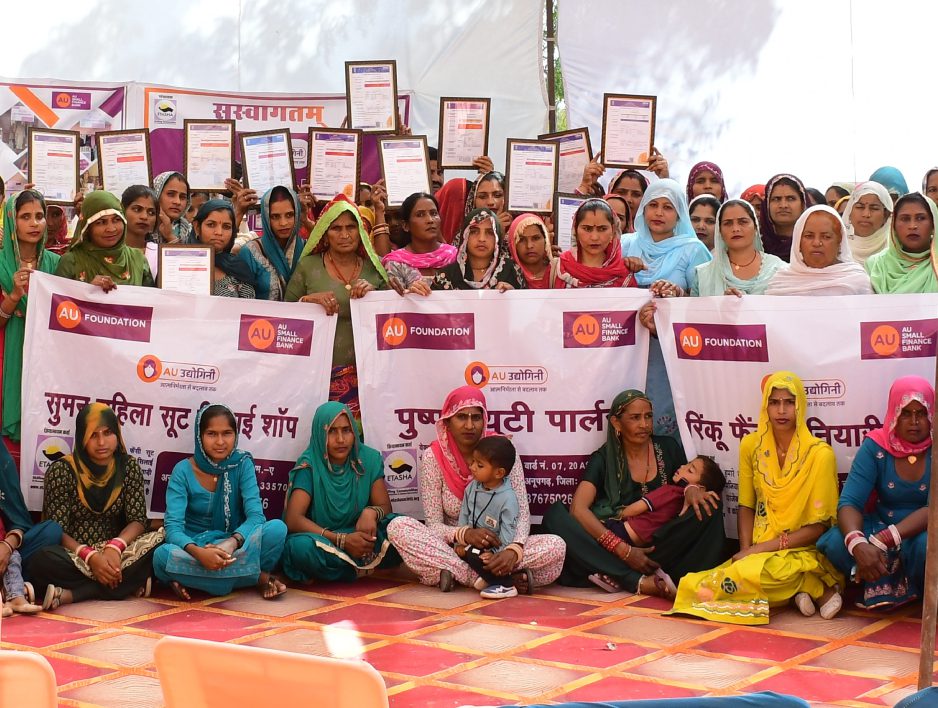
Launch the Udyogini Project in partnership with AU Foundation to enable rural women from Rajasthan to become self reliant, and skilled entrepreneurs (Udyoginis).
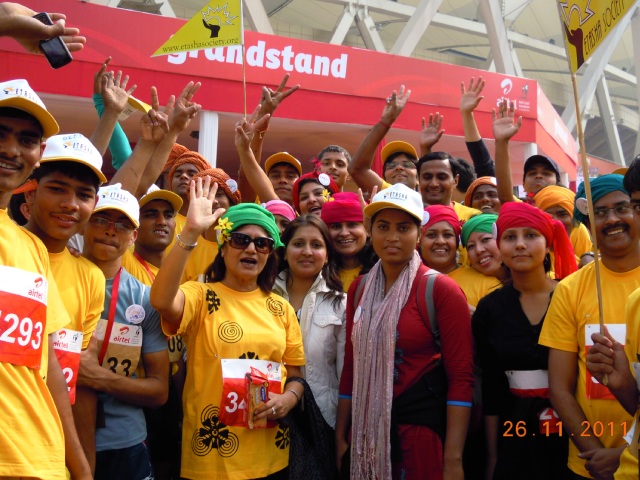
ETASHA recognised as the 2nd Highest Fundraising NGO in the Livelihood Sector at Vedanta Delhi Half Marathon 2024.
Dr. Meenakshi Nayar honoured with the Lifetime Achievement Award by SABERA for her exceptional contribution to social development.
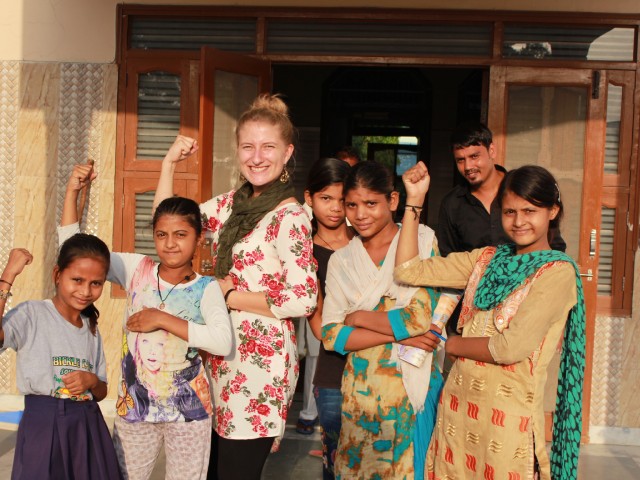
Similarly, recognising that mindsets are shaped early, ETASHA expanded its work with adolescents in schools. Life skills, future readiness, digital and financial literacy became critical components of preparing young people for a rapidly changing world of work.
What began with youth employment gradually expanded to include adolescents, women and the wider community, while remaining anchored in the core belief of enabling sustainable livelihoods.
People at the Heart
ETASHA’s twenty year journey is defined by people.
Young people who stepped into classrooms unsure of themselves and walked out ready to face interviews. Women who built enterprises and reclaimed agency. Alumni who returned as mentors. Facilitators who became role models simply through the way they listened, spoke and showed respect. Partners who believed in long term engagement rather than short term results.
Change at ETASHA has never been about numbers alone. It has been about depth, transformation and inner shift.
Integrity and Trust
Alongside programme growth came a strong emphasis on governance, transparency and ethical practice. ETASHA is registered under the Societies Registration Act of eighteen sixty and maintains all statutory compliances including eighty G certification, Darpan identification, CSR registration and continued FCRA approval.
At a time when many organisations have lost permissions, ETASHA has retained all compliances through strong systems and accountable leadership. The organisation has been awarded the Platinum level by Guide Star and Niti Aayog for the seventh time, a recognition that reflects credibility, transparency and integrity. This trust is echoed in the continued partnerships with corporates who choose to work with ETASHA year after year.
Impact That Matters
Over twenty years, ETASHA has impacted more than four lakh individuals through its programmes. Thousands of young people have entered formal sector employment. Women have built stable livelihoods. Youth have gained digital, financial and workplace readiness. Communities have widened their vision of what is possible.
Our Impact Over Years
Education and Career Guidance for Adolescents
0 +
Skill Development and Placement linked training for Youth
0+
Entrepreneurship Development for Mature women and youth
0+
Community Outreach
0+
People Impacted
0+
Yet, the real impact lies in quieter transformations. A young person speaking with confidence. A family earning with stability. A girl imagining a future beyond limitation. These are the moments that define ETASHA’s work.
Looking Ahead
As ETASHA steps into its third decade, the commitment remains strong. To build future ready skills. To nurture entrepreneurs. To strengthen pathways to dignified work. To adapt continuously in a world shaped by rapid technological change.
ETASHA’s story is not just about an organisation. It is about a belief. That opportunity is not charity. That dignity is the foundation of growth. And that every person, when given the right support, can shine.
DONATE TO US
Empower Lives,
Make an Impact
Support us in our mission to empower youth, adolescents, women, and their community through skilling, employability, and entrepreneurship courses. Your donation has the power to transform lives.