
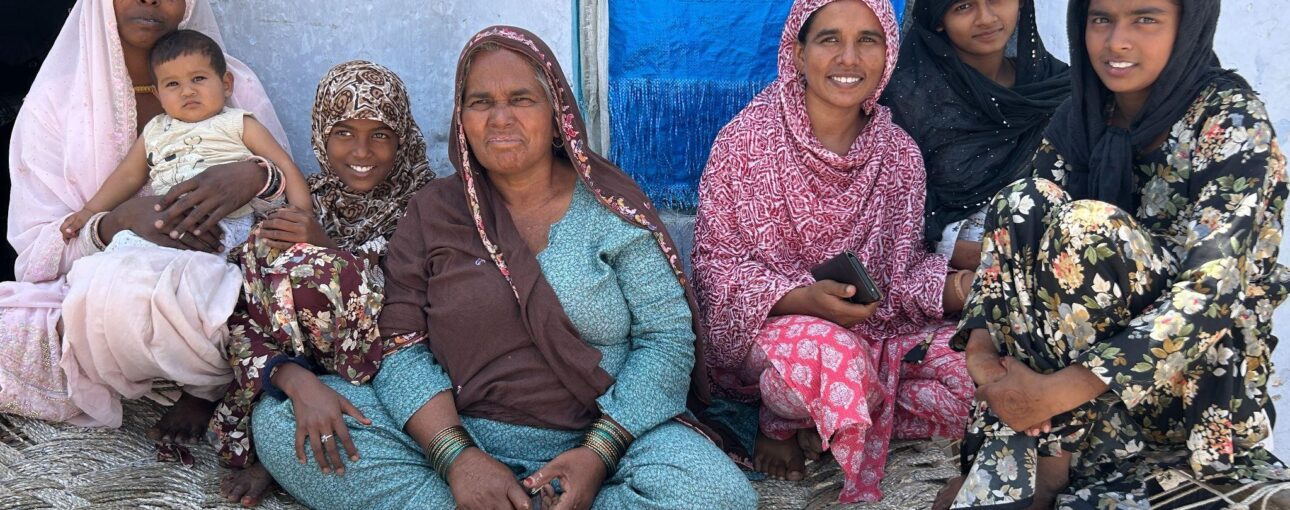
Nuh, in the southern part of Haryana and bordering Rajasthan, forms an important part of the National Capital Region (NCR). Yet, despite this location advantage, it continues to be one of the most underdeveloped districts in the state. Predominantly agrarian and home to the Meo Muslim community, Nuh faces persistent challenges in education, employment and basic infrastructure.
Early marriage remains a stark reality. Many girls are married before the age of 18, leading to school dropouts and the burden of adult responsibilities far too early. This affects their physical and emotional well-being and restricts their access to education, mobility and employment. As a result, most women remain confined to domestic roles with limited participation in household or community decisions.
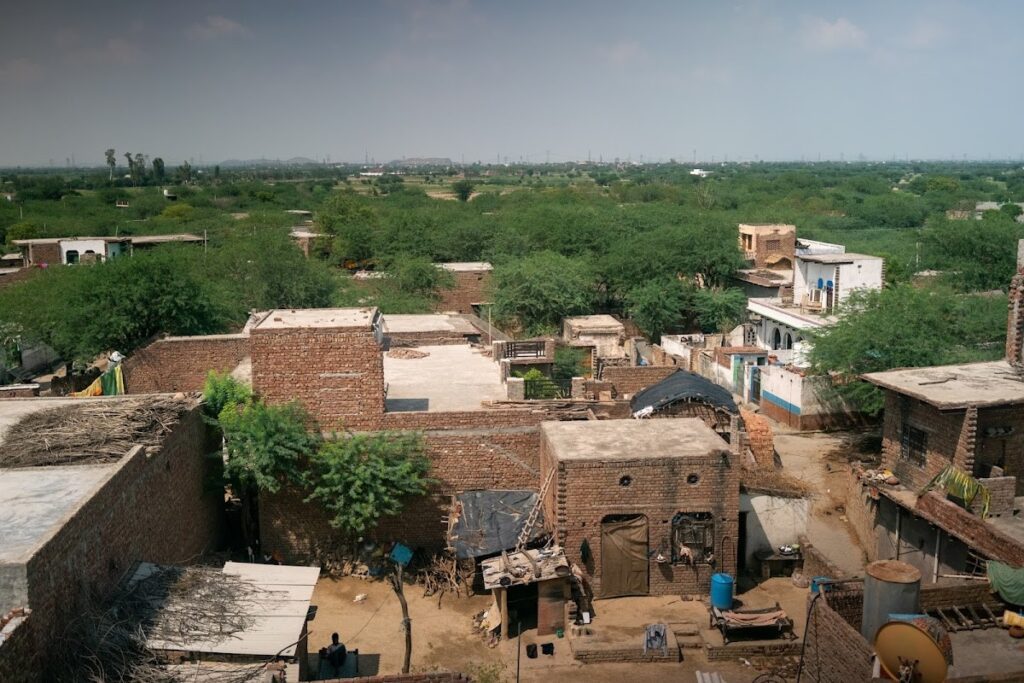
According to NITI Aayog’s 2023 report, 39.99 per cent of Nuh’s population lives in multidimensional poverty—significantly higher than the state average. The district’s economic vulnerability is evident: only 30–35 per cent of residents are employed, mostly in informal, low-paying jobs. Agriculture is the primary occupation, but its dependence on erratic weather makes it unreliable. Many young men migrate to nearby cities for daily-wage opportunities, while women and older members manage subsistence farming and home-based work. Limited credit access makes it difficult for families to save, invest in their children’s education or absorb financial shocks, keeping the cycle of poverty firmly in place.
Education remains an uphill struggle. Schools are often distant, poorly resourced and understaffed. Attendance is inconsistent, and dropout rates are high—particularly for girls, who face safety concerns and limited encouragement to continue schooling. Consequently, Nuh records some of the lowest literacy levels in Haryana.
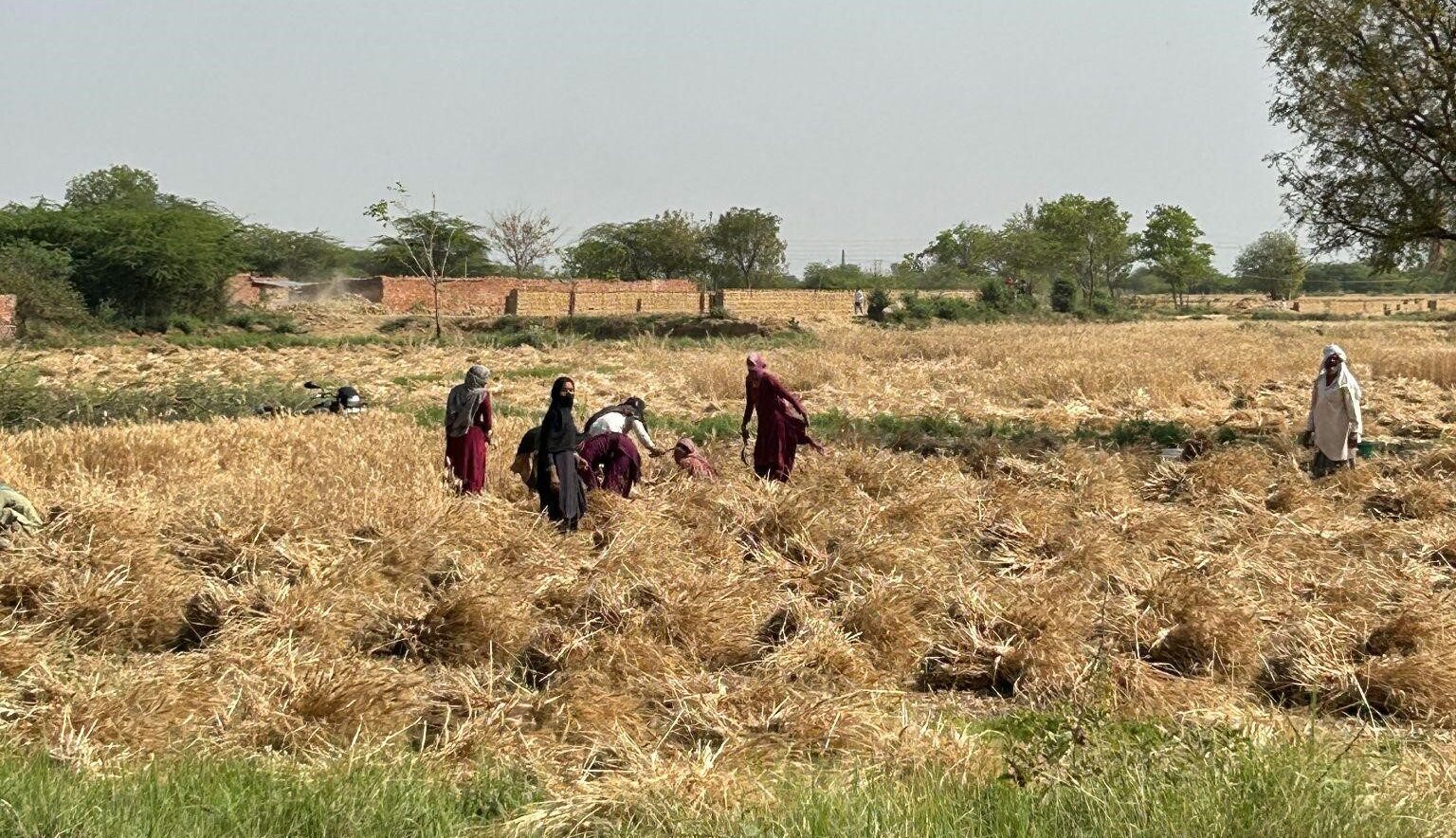
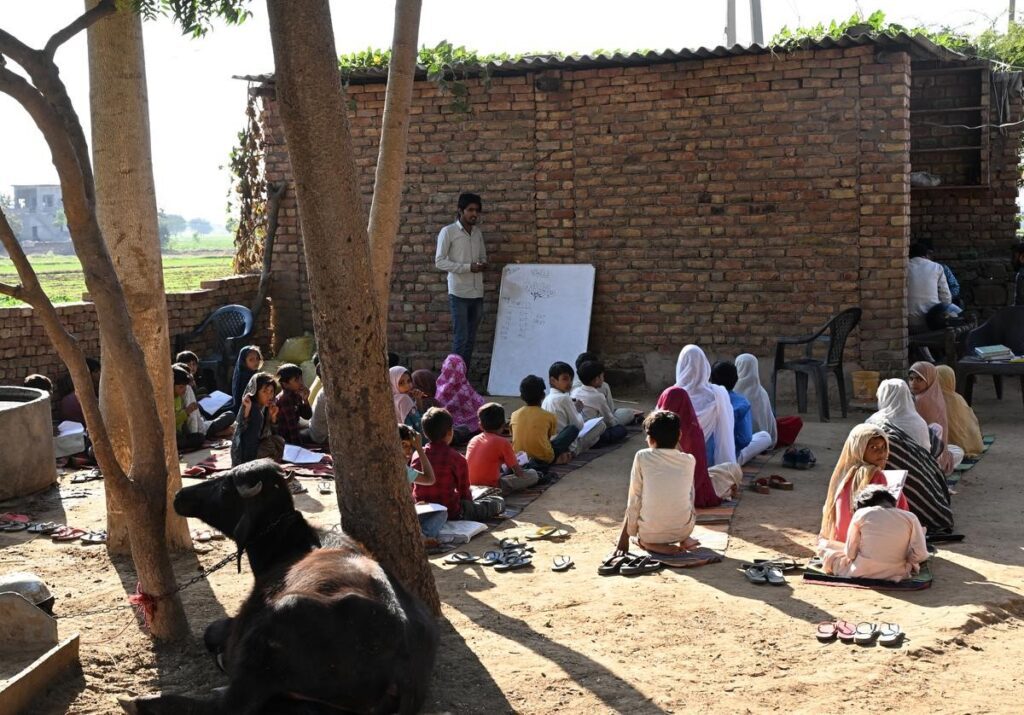
For non-profit organisations, working in Nuh comes with its own complexities. Deep-rooted traditions, minimal exposure to external systems and daily economic pressures often make communities cautious about engaging with external agencies. Change is largely accepted only when the benefits are immediate. Building trust demands time, regular engagement and genuine sensitivity to local contexts. Yet, amidst these challenges, green shoots of progress are emerging.
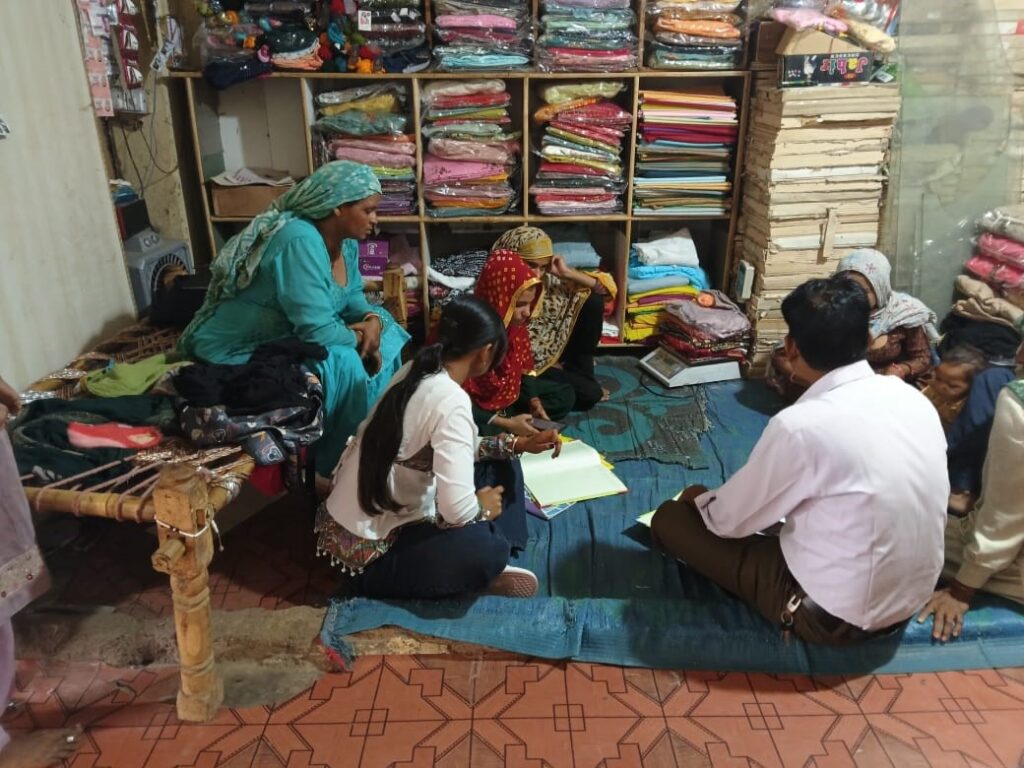
ETASHA has been active in Nuh and Kosli for over a year, working through a committed on-ground team that closely engages with local residents. Our efforts focus on increasing awareness of livelihood opportunities and supporting young people striving for a better future. Through entrepreneurial training, mentoring and financial assistance, ETASHA has helped establish small-scale businesses in poultry, beauty services, mechanical repair, tailoring, cosmetics, food services and other locally relevant sectors.
As of March 2025, 160 youth-led enterprises have been launched with ETASHA’s support and funded by BT Group, collectively generating over Rs. 1.11 crore in sales. These enterprises are strengthening the local economy and enabling families to move towards financial stability. Each venture is backed by essential training in business fundamentals, financial literacy and market linkages. For many participants, the programme also provides a second chance at education through vocational and life-skills training previously unavailable to them.
To accelerate this transition, ETASHA provides interest-free seed capital—an essential lifeline in a region with limited banking infrastructure and almost no access to formal credit. This support enables aspiring entrepreneurs to begin their journey with confidence, turning ideas into viable enterprises.
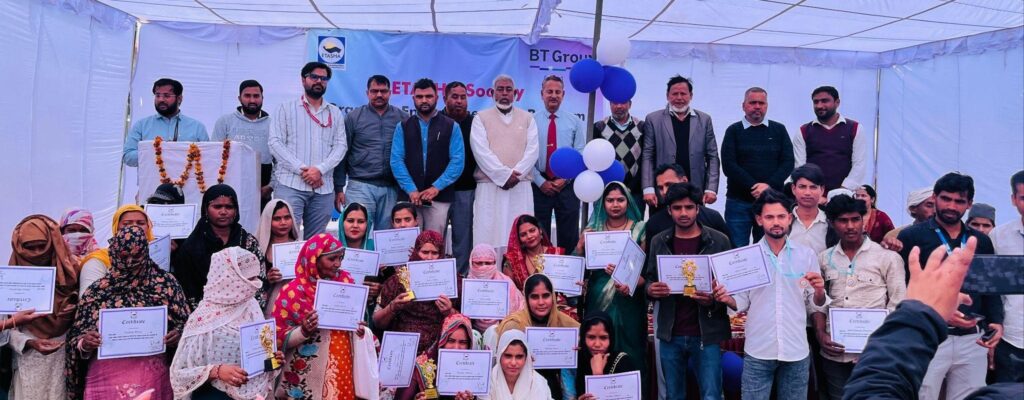
Nuh continues to grapple with longstanding challenges, but a gradual transformation is underway. With sustained community engagement and a focus on skill-based empowerment, the district is witnessing a quiet yet meaningful shift. However, progress must be nurtured. Strengthening this momentum will require new partnerships and timely funding. With collective efforts whether through corporate CSR, philanthropic grants or individual contributions, we can ensure that the promising enterprises of today continue to grow and thrive tomorrow.
For further information or to connect with our team, please write to parul@etashasociety.org